
PranaWire Sukhavati Avatar Arhat Cosmos Nataraja Deva Power Cables Power Conditioners Ground Treatment Photon USB
Power Conditioners

The Cloud9 Power Conditioner
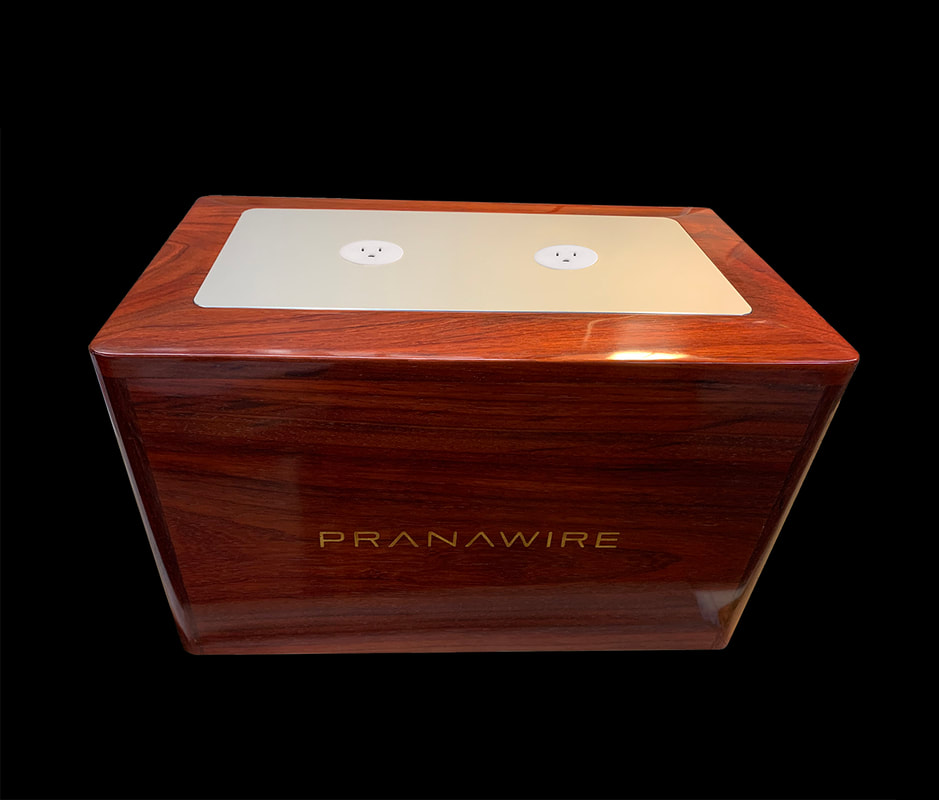
Nirvana Linebacker In Line Passive Power Filter
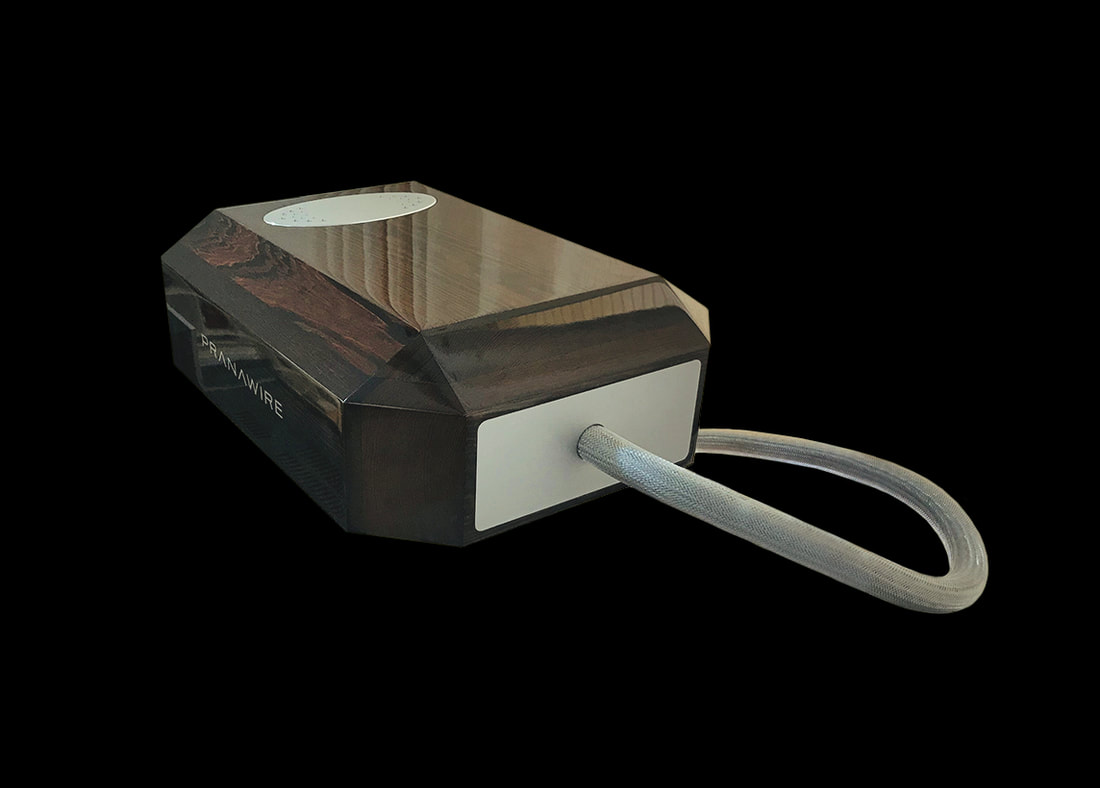
Pranawire Nirvana
In Line Passive Power Filter
|
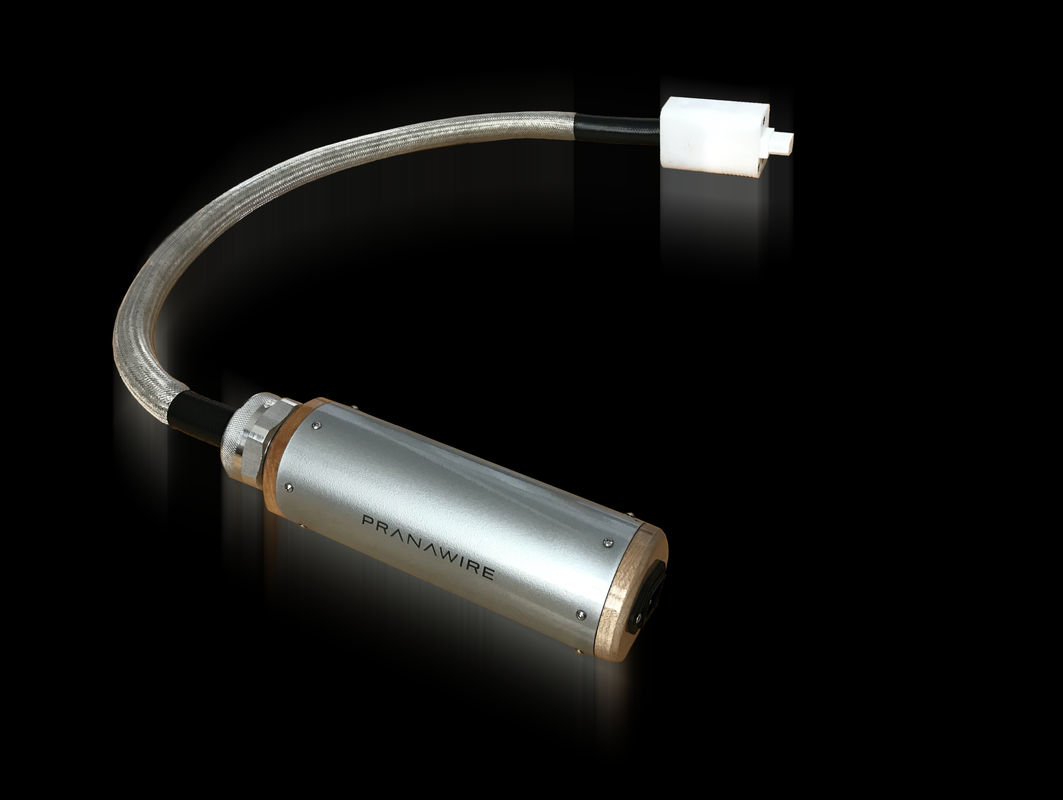
The Nirvana Linebacker - A step beyond.
|
|
The Linebacker GP and SE - A New Performance Standard At A Lower Price
|
GP and SE Series Linebackers
"Pure Joy" 6Moons

The Linebacker XE Eliminates Noise to Below the Noise Level of the Measuring Equipment:
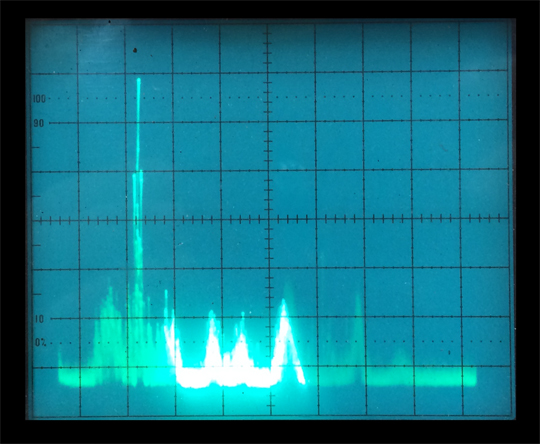
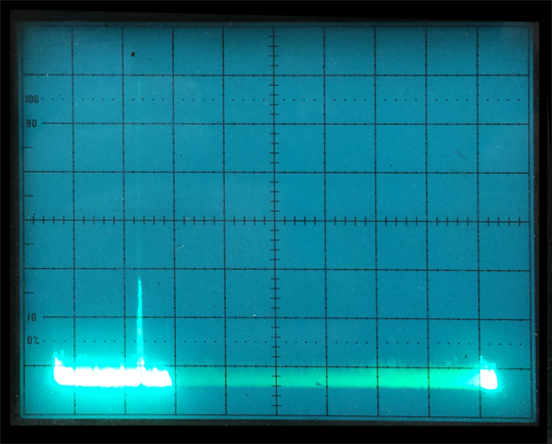
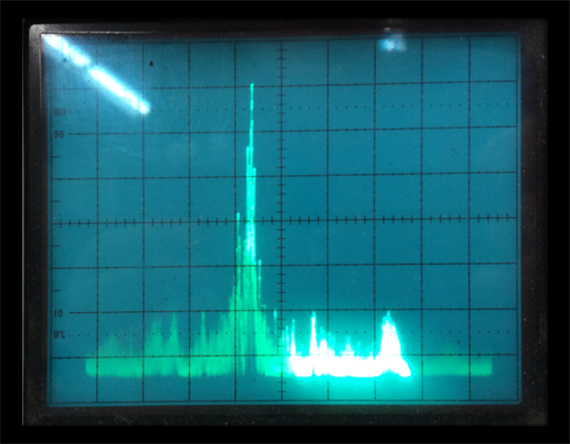

Top Row: Ambient and Chassis Noise before Linebacker XE 2 and after Linebacker XE - a greater than 60 db reduction
(A 1000-fold reduction)
Bottom Row: Power Line Noise before and after Linebacker XE - a greater than 60 db reduction (A 1000-fold reduction). Noise reduction is measurable to the level of the noise of the measuring equipment.
Noise was measured to 175 Megahertz down to TV, FM audio range and zero Hz with the preponderance of noise showing between 45 and 80 Megahertz.
Ambient and chassis noise refers to ambient noise picked up by both the chassis of the Linebacker itself and the cable feeding the Linebacker acting as an antenna. Even though the Linebacker is bathed in a sea of EMI, there is effectively no noise delivered to the next component at the cable IEC end.
(A 1000-fold reduction)
Bottom Row: Power Line Noise before and after Linebacker XE - a greater than 60 db reduction (A 1000-fold reduction). Noise reduction is measurable to the level of the noise of the measuring equipment.
Noise was measured to 175 Megahertz down to TV, FM audio range and zero Hz with the preponderance of noise showing between 45 and 80 Megahertz.
Ambient and chassis noise refers to ambient noise picked up by both the chassis of the Linebacker itself and the cable feeding the Linebacker acting as an antenna. Even though the Linebacker is bathed in a sea of EMI, there is effectively no noise delivered to the next component at the cable IEC end.
A word about why the Linebacker is an essential part of a true high end system:
As demonstrated above, the Linebacker will prevent a prodigious amount of high frequency noise from ever reaching your component. This is of vital importance. Though common understanding of power supply design suggests that noise will be attenuated before impinging on the circuit, we know this is not the case, especially with regard to high frequency noise. Such noise entering the component will be returned to the component via its output cable in a backward motion more or less out of phase, modified in frequency from the original and enhanced by any noise accumulated due to the fact that the cable attracts noise like an antenna. This modified returning noise combines with the noise already present in the component causing beating to form, just as when two strings are slightly out of tune. This beating will be directly proportional to the difference in frequency causing distortion in the audible spectrum. Since it is expected that this noise covers a wide frequency range the potential for a true muddle of beating frequencies is exponentially high.
That is why when a single Linebacker is placed in a system the resulting improvement in clarity and freedom from subtle and not so subtle distortion is on a very high order of magnitude. Each additional Linebacker in a system offers another 100% efficacy in treating the additional component.
Please see our description of a system with 1 Linebacker SE and 3 Linebacker Sovereigns here.
That is why when a single Linebacker is placed in a system the resulting improvement in clarity and freedom from subtle and not so subtle distortion is on a very high order of magnitude. Each additional Linebacker in a system offers another 100% efficacy in treating the additional component.
Please see our description of a system with 1 Linebacker SE and 3 Linebacker Sovereigns here.
Linebacker OL, GP and SE Models PranaWire Linebacker GP PranaWire Linebacker GP
The Linebacker In-Line Power Filter offers unprecedented reduction of noise. It is utterly transformative.
The Linebacker is a completely passive in-line power filter that works on several major fronts:
Linebacker OL
Linebacker GP and SE:
The Linebacker will remove noise that you did not even know was there and render an extremely solid and palpably holographic sound stage. Bass is dramatically improved with new found focus. The Linebacker is a truly transformative device! Five Models:
"Pure Joy" "Dulce Pontes always is excellent to assess system quality. Her voice can be piercing and crack the enamel right off your teeth if anything is wrong. With the Linebacker in place, her Momentos album was pure joy...In our tests through various setups with their inherent noise-generating capabilities plus external noise sources, each time the Linebacker was included, calmness and quiet entered the scene and unrest and indecision left the building." Marja & Henk, 6Moons Audio September 2012 N |
415-897-8884 • [email protected]
